
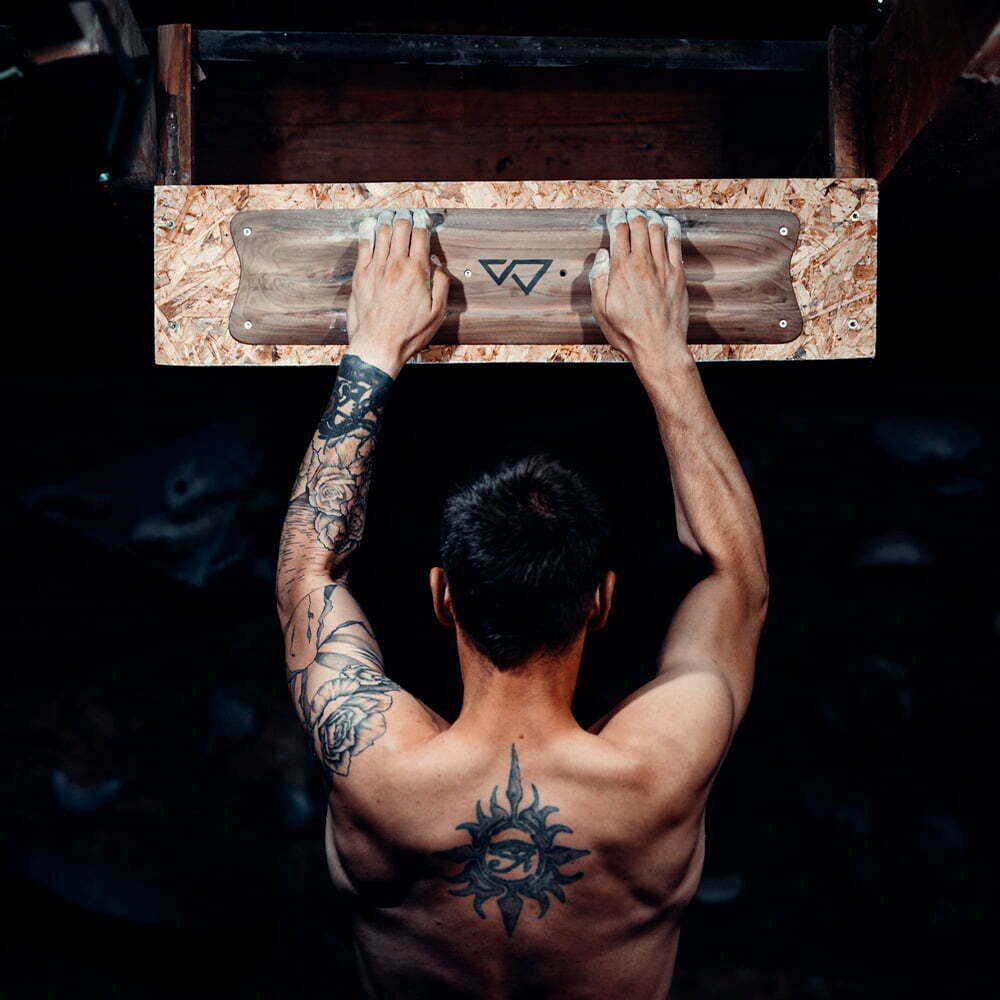
How to Train Finger Strength for Climbing (Beginner to Advanced Guide)
Finger strength is one of the most important physical qualities in climbing. Whether you’re projecting your first 6B outdoors or pushing into 8A territory, stronger fingers allow you to hold smaller edges, move more efficiently, and climb with confidence.
But finger training is also where most climbers make serious mistakes.
This guide will show you:
- When you should start finger training
- How beginners should approach it
- How intermediate climbers should structure sessions
- What advanced climbers should focus on
- How to avoid common injuries
Let’s break it down properly.
Why Finger Strength Matters in Climbing
Climbing performance is limited by:
- Technique
- Body tension
- Mental game
- Finger strength
At lower grades, technique matters most.
As grades increase, finger strength becomes the limiting factor.
If you can’t hold the edge, technique won’t save you.
When Should You Start Finger Training?
You do NOT need hangboard training in your first 6–12 months of climbing.
Beginners should first:
- Build movement skills
- Climb 2–3x per week
- Develop basic pulling strength
- Learn proper grip positions
Once you plateau and your fingers feel like the limiting factor — then structured finger training makes sense.
Phase 1 – Beginner Finger Strength (0–2 Years Climbing)
Goal: Build tendon adaptation safely.
Focus on:
- Controlled hangs
- Larger edges (20mm+)
- Two sessions per week max
- No added weight
Simple Beginner Protocol
- 3–4 sets
- 10 seconds hang
- 50–60% perceived effort
- 2 minutes rest
You should finish feeling like you could do more.
Never train to failure.
Phase 2 – Intermediate Finger Strength (2–5 Years Climbing)
Goal: Increase max finger strength.
Now finger training becomes more structured.
You can introduce:
- 15–20mm edges
- 7/3 repeaters
- Max hangs
- Slight added weight (if safe)
Example Intermediate Session
Warm-up properly.
Then:
- 5 sets
- 10-second hang
- 80–90% effort
- 2–3 minutes rest
If you can hold longer than 12 seconds, increase difficulty slightly.
If you fail before 8 seconds, reduce load.
Consistency beats intensity.
Phase 3 – Advanced Finger Strength (5+ Years)
Goal: Progressive overload.
Advanced climbers train:
- 10–15mm edges
- Weighted max hangs
- One-arm progressions
- Structured cycles (4–6 weeks)
At this level:
- Quality matters more than volume
- Recovery becomes critical
- Overuse injuries are common if ego takes over
Finger strength gains are slow but extremely powerful.
Portable vs Fixed Hangboards for Training
There are two main ways to train:
Portable Hangboards
Best for:
- Warm-ups at the crag
- Travel training
- Activation before gym sessions
- Limited space
Portable boards are excellent for maintaining strength and preparing fingers safely.
Fixed Hangboards
Best for:
- Structured strength programs
- Progressive overload
- Long-term development
- Dedicated home training setups
If you want measurable improvement in max finger strength, a fixed board provides more stability and consistency.
Many serious climbers use both.
How Often Should You Train Fingers?
General guideline:
- 2 sessions per week for most climbers
- 48 hours between sessions
- Stop immediately if pain appears
More is not better.
Adaptation happens during recovery.
The Biggest Finger Training Mistakes
- Training too hard too soon
- Using edges that are too small
- Skipping warm-up
- Training while fatigued
- Ignoring finger pain
Most pulley injuries happen because climbers increase intensity faster than tendons can adapt.
Progress slowly.
How to Warm Up Before Finger Training
Never hang cold.
Warm-up structure:
- 5–10 min light movement (jump rope, easy climbing)
- Easy large-edge hangs
- Gradually increase intensity
Your first “working set” should not feel like a shock to your fingers.
Final Thoughts
Finger strength is built over years, not weeks.
Train consistently.
Progress gradually.
Respect recovery.
The strongest climbers are not the ones who train the hardest — they are the ones who train intelligently.